

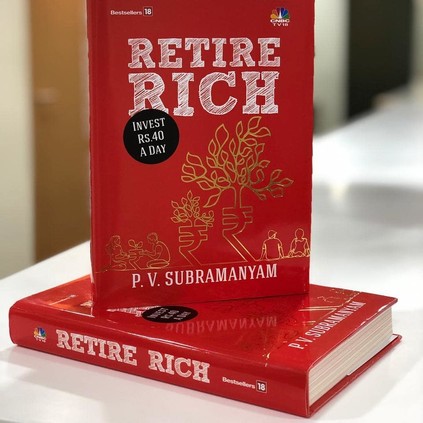
The Book run in two different ways, firstly a character Lalchand Gupta and how various event happened in his life in Dalal Street and Secondly how the stock market evolved since 1988
- Jobbers were the speculators, who engage in the business of buy and sell securities, they create liquidity in the market and earn Bid-ask spread
- Robbers were also like jobbers but they deal with large orders and their main motive is only profit not of client interest
- At that time, insider trading was done by brokers and others with quite ease like Lalchand takes the help of his friend Rajesh (worked in stock exchange) to know about the price quoted by other dealers
- Auction system took place in BSE at that time, if any client or broker failed to deliver share, his position is auctioned
- Front-running was done by brokers, they place their order before client order and earn profit through such trade. But in 1994, NSE came and introduce screen-based trading (client can verify what price their shares were traded for)
- The Big bull Harshad Mehta scam:
- Harshad Mehta has taken advantage of look holes in Banking system as bank traded with Bank receipts to get money from one bank
- Harshad issued fake bank receipts and park those money in stock market in his favourite stocks
- This scam was exposed and Harshad was arrested
- Manmohan Singh opened up the economy and SEBI was introduced as stock market regulator in India
- SEBI tightened the rules and regulation by introducing new rules at different point of time and all the stock broker has to re-register with SEBI to continue trading
- Another Big bull Ketan Parekh known as new Pied Piper of Dalal Street scam occurred
- Ketan accept money from promoters of company to took their share price up
- And as share price goes up Ketan liquidate his position and earn through inflated price likewise he had taken money from Madhavapura Mercantile Commercial Bank (MMCB) to boost up stock price but as bear cartel became bearish on those stocks its price came down and investor lost 2000 crore and Ketan was immediately arrested and ban for 15 years for trading
- just when it seemed that market had stabilized the 9/11 attack on the twin tower of the US World Trade Centre, market again struggled and Sensex slid 15% to 8-year low
- India was struggling there were no liquidity in stock exchange but there came booster in the form of Maruti Udyog IPO, which got a great response, people buy it as a value stock
- Promoters started manipulating the accounts by increasing revenues through recording sales earlier, not making provisions, pushing sales by increasing credit period etc. to gets fund easily
- And also, many promoters started hiring people to raise their company’s share price instead of focusing on core business, which is a worrisome situation
- The Reliance Power IPO, which blocked a fatty liquidity of market as it was even subscribed by middle class and lower-class people as assured return IPO, which eventually failed the expectation and this IPO affected Coal India IPO (a good value investor stock)
- Some of the global events like Quantitative Easing, Southeast Asia Scam which affected the Indian stock Market and How FII started taking their money out of India and then the crash of market
- Even domestic events like Terrorist Attack in stock exchange, change of government, various Scams, Election affected stock market and How the stock exchange handled those situations
- UTI mutual fund US-64 scam of selling units at any price which have no relation with NAV, UTI would increase the sales and purchase of US-64 by 20 Paisa every month and return those moneys to investors who redeem as inflow dried up, no money left and UTI started Defaulting on redemption and because of which many people committee suicides
- In 2009, Satyam Scam of manipulating books by showing non-existence Revenues and Bank balance and then the news of world bank of Banning Satyam to do business for 8 years, which put the promoter B. Ramalinga Raju in worst position and he suffer huge losses
- RadhaKishna Damani the finest All-rounder of stock market due to his skill of selecting the perfect stock and also a great entrepreneur as he had started D-Mart from scratch with the philosophy that customer would be looking for variety in his store at a good price
- Many promoters started issuing FCCB- Foreign currency convertible Bond, which is issued in another country and can be converted into equity shares. The conversion price Was at 15 to 20% premium to the current market price of the stock (issued for 3-5 years) Promoters thought that they would not have to pay the debt as at the time of conversion there share price would be much higher than the conversion value but it turned out to be opposite and all investor want their principal back, which became burden for company



 The Investor's Hub